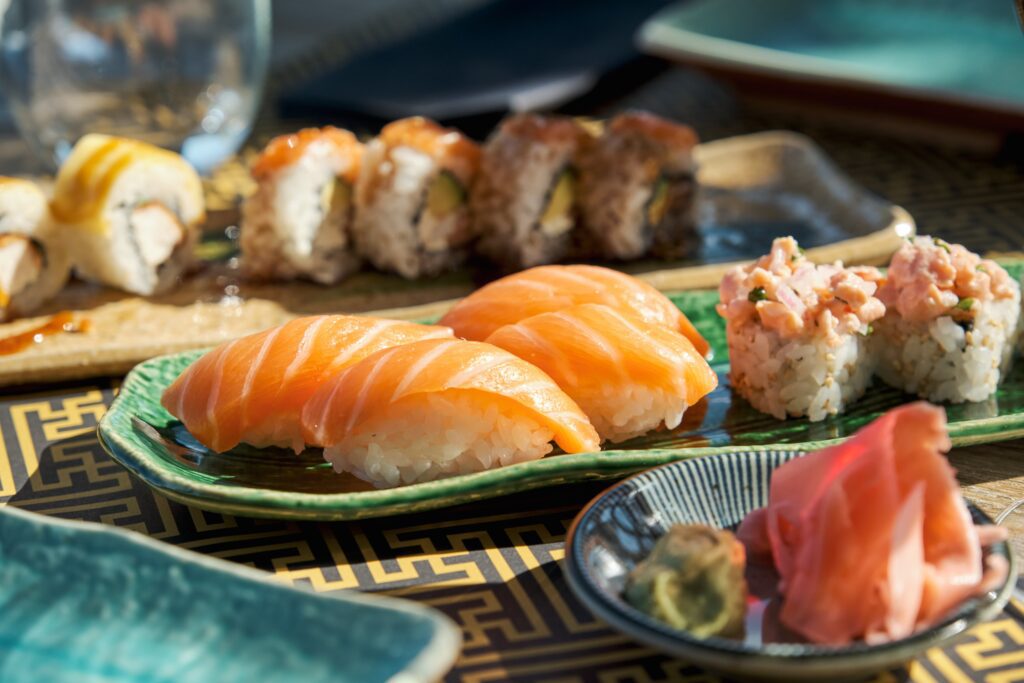
Japanese seafood holds a special place in global cuisine, celebrated for its freshness, precision, and deep cultural significance. Surrounded by vast oceans and blessed with rich marine biodiversity, Japan has developed a culinary tradition that places seafood at the center of everyday meals and fine dining experiences 日本海鮮. This connection between the sea and the table is not only about nourishment but also about respect for nature, seasonality, and craftsmanship.
The foundation of Japanese seafood lies in its emphasis on freshness . Fish and shellfish are often prepared shortly after being caught, ensuring that their natural flavors and textures are preserved. This dedication to freshness is one of the reasons why Japanese seafood is highly regarded around the world. Whether it is served raw, grilled, or simmered, the quality of the ingredients remains the most important factor in every dish.
One of the most iconic ways Japanese seafood is enjoyed is through raw preparations. Dishes such as sashimi highlight the pure taste of fish without the need for heavy seasoning. Each slice is carefully cut to enhance both texture and presentation, reflecting the skill and discipline of the chef. Sushi, another globally recognized dish, combines seafood with seasoned rice to create a balanced and harmonious flavor profile. These preparations showcase the simplicity and elegance that define Japanese culinary philosophy.
Grilling is another popular method used in Japanese seafood cuisine. Fish such as mackerel, salmon, and eel are often grilled over open flames or charcoal, bringing out a rich, smoky flavor. The use of minimal seasoning, such as salt or a light glaze, allows the natural taste of the seafood to shine. This technique demonstrates how Japanese cooking often focuses on enhancing rather than masking the original flavor of ingredients.
Seasonality plays a crucial role in Japanese seafood. Different types of fish and shellfish are enjoyed at specific times of the year when they are at their peak quality. This practice not only ensures the best taste but also reflects a deep appreciation for nature’s cycles. By following seasonal availability, Japanese cuisine maintains a sense of variety and freshness throughout the year.
In addition to freshness and seasonality, presentation is a key element in Japanese seafood dishes. Meals are arranged with careful attention to color, texture, and balance. The visual appeal of the dish is considered just as important as its taste. Plates are often decorated with garnishes such as leaves, flowers, or finely sliced vegetables, creating an artistic display that enhances the dining experience.
Japanese seafood is also known for its diversity. The variety of marine life available in Japan’s waters allows for a wide range of dishes and cooking styles. From delicate white fish to rich, fatty tuna, each type of seafood offers a unique flavor and texture. Shellfish such as shrimp, crab, and scallops are also widely used, adding depth and complexity to many dishes. This diversity ensures that Japanese seafood cuisine remains dynamic and versatile.
Fermentation and preservation techniques are another important aspect of Japanese seafood culture. Methods such as curing, drying, and fermenting have been used for centuries to extend the shelf life of seafood while enhancing its flavor. These traditional practices not only demonstrate resourcefulness but also contribute to the unique taste profiles found in Japanese cuisine.
The cultural significance of Japanese seafood extends beyond the kitchen. Fishing has long been an important part of Japan’s history and economy, shaping the way communities interact with the ocean. Markets and fishing ports play a vital role in daily life, where fresh catches are distributed and celebrated. These environments reflect the strong connection between people and the sea, a relationship that continues to influence modern culinary practices.
Health benefits are another reason why Japanese seafood is widely appreciated. Seafood is rich in essential nutrients such as protein, vitamins, and healthy fats. Regular consumption of fish is often associated with a balanced diet and overall well-being. The traditional Japanese approach to cooking, which avoids excessive oil and heavy sauces, further enhances the nutritional value of seafood dishes.
Modern innovation has also influenced Japanese seafood cuisine. While traditional methods remain highly respected, chefs continue to experiment with new techniques and presentations. Fusion dishes that combine Japanese seafood with international flavors have become increasingly popular, offering fresh perspectives on classic ingredients. This blend of tradition and creativity keeps the cuisine evolving while preserving its core identity.
Sustainability has become an important topic in the discussion of Japanese seafood. As global demand for seafood increases, there is a growing awareness of the need to protect marine ecosystems. Responsible fishing practices and sustainable sourcing are becoming more prominent, ensuring that future generations can continue to enjoy the richness of the ocean. This shift reflects a broader commitment to environmental responsibility within the culinary world.